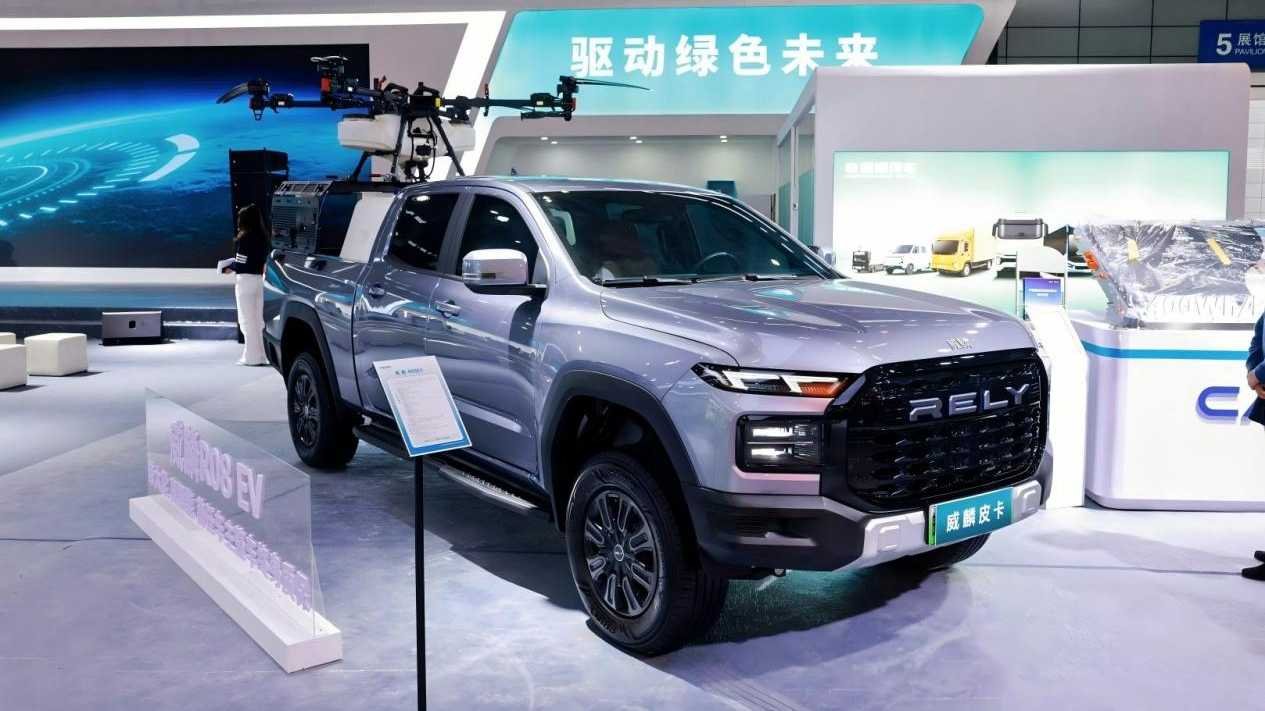

In the Chinese auto market, pickups were long regarded simply as "work vehicles," carrying basic functions such as transportation and engineering operations. However, with policy relaxation, consumption upgrading, and the sweeping wave of new energy in recent years, the pickup market is undergoing a profound transformation, accelerating from purely commercial attributes toward passenger-oriented, high-end, and new-energy-oriented development. It is against this backdrop that Chery Commercial Vehicle brought its all-new flagship, the RELY Veyron R08 EV, to the 2026 Hefei New Energy Commercial Vehicle Show. With the stance of a "body-on-frame intelligent all-electric pickup," it precisely entered this blue ocean market full of potential and became the focus of the entire show with its hardcore strength.
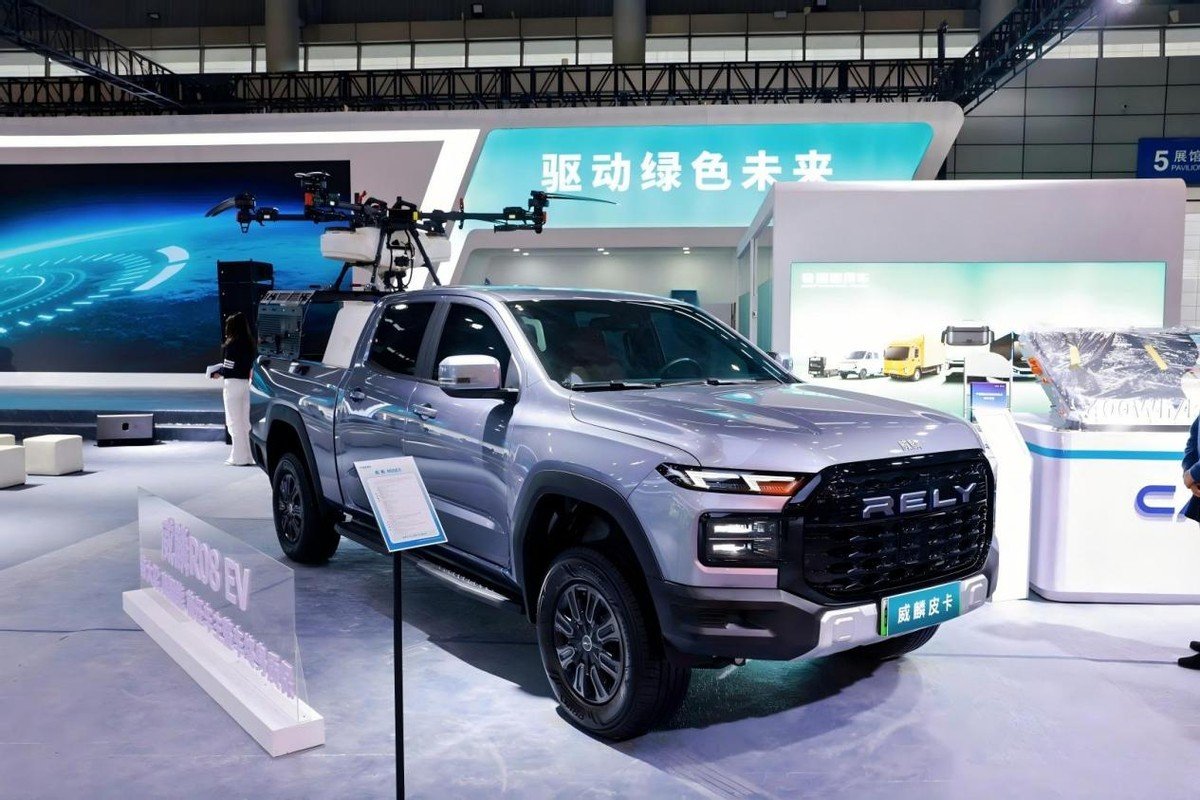
Chery's Answer to the New Energy and Intelligent Transformation of Pickups
In recent years, China's pickup market has shown a clear "polarization" trend: on the one hand, traditional fuel pickups still occupy a large commercial share but face the dual pressure of emissions and fuel consumption; on the other hand, although high-end electric pickups attract much attention, they often struggle to truly appeal to users who value practicality due to issues such as weak load capacity, low replenishment efficiency, and poor scenario adaptability. Chery Commercial Vehicle keenly identified this market pain point, and the launch of the Veyron R08 EV is a strong response to this segmented demand.
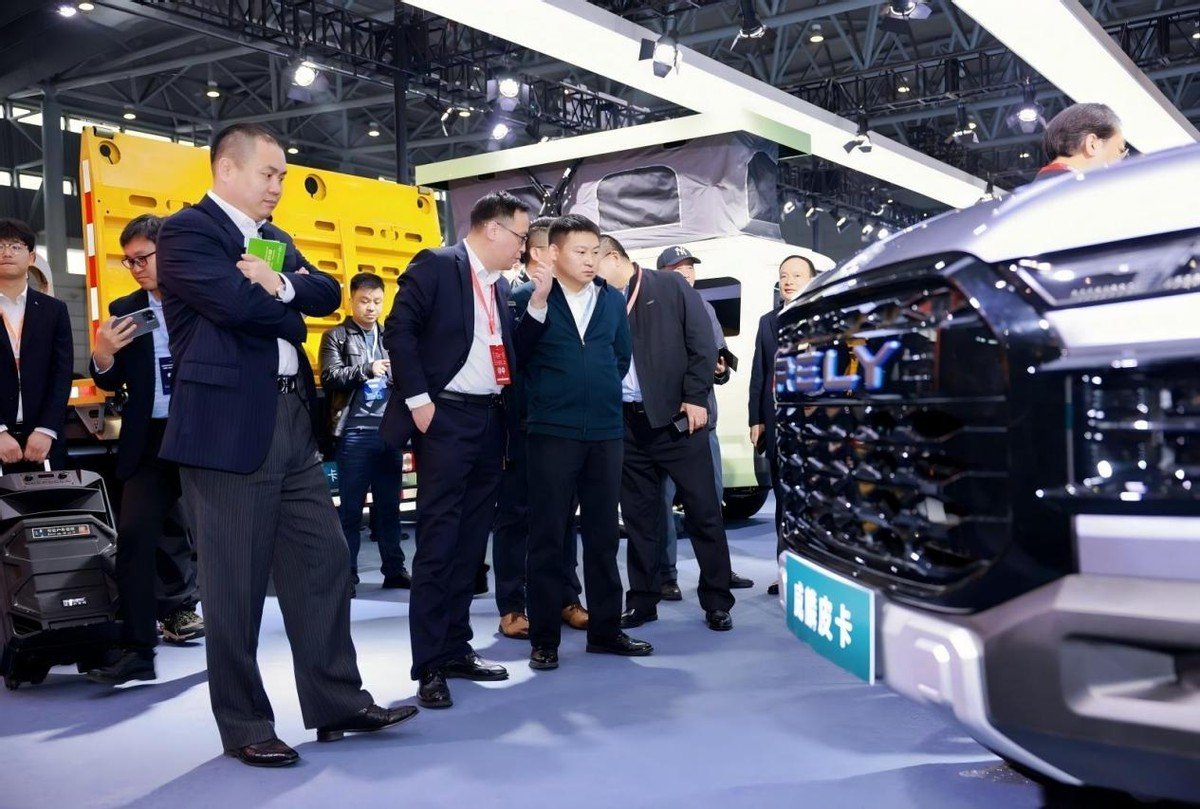
At the show, the Veyron R08 EV attracted many logistics companies, individual wealth creators, and engineering practitioners to stop and experience it with four core advantages: "high load capacity, true intelligence, fast charging, and low operating cost." This vehicle not only fills the gap for Chery in the field of new energy pickups, but also redefines the "reliable baseline" of all-electric pickups in commercial scenarios with the hardcore configuration of a body-on-frame structure and ladder chassis.
Making New Energy Pickups Truly "Capable of Heavy Work"
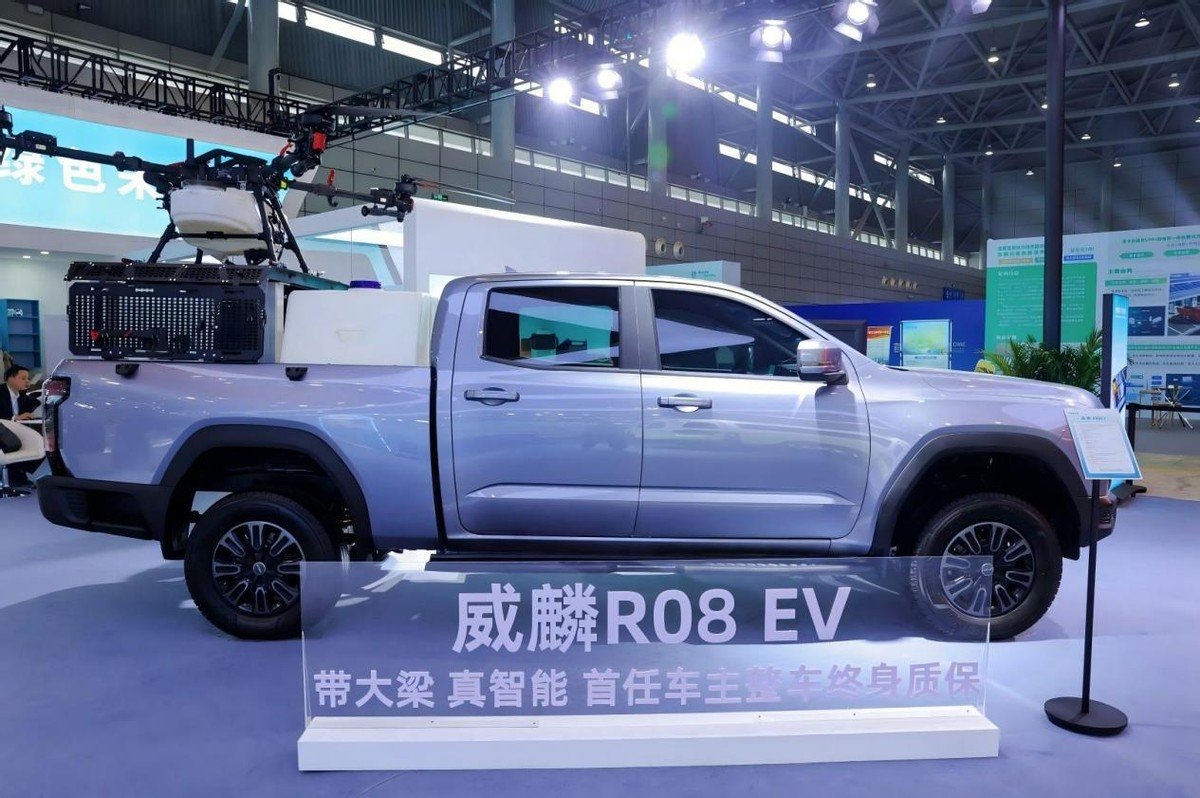
For pickup users, load capacity is the core criterion for measuring a vehicle's value. The Veyron R08 EV is equipped with a "body-on-frame" structure rarely seen in pure electric platforms. The ladder frame directly bears heavy-load pressure, and even under harsh conditions such as long-term full loads and bumpy roads, it can still maintain body stability and resist deformation. Combined with the front double-wishbone independent suspension and rear integral axle leaf spring suspension, the vehicle still has excellent handling stability and rough-road passability under heavy-load conditions.
In terms of power, the Veyron R08 EV offers two-wheel-drive and four-wheel-drive versions, with the four-wheel-drive version's motor torque reaching as high as 540N·m, making full-load starts, hill climbing, and escaping difficult terrain effortless. The 1.81-meter class-leading extra-long cargo box, 3.1-ton towing capacity, and 240mm ground clearance further expand its practical boundaries in scenarios such as engineering operations, agricultural machinery transfer, and outdoor work. For green logistics users pursuing "more per trip, fewer trips, and more savings," such load performance will undoubtedly translate directly into higher operational efficiency and lower energy costs.
"Passenger-Car-Level Experience" Beyond Commercial Attributes
While meeting hardcore loading needs, the Veyron R08 EV does not neglect upgrades in intelligence and safety. Vehicle networking and remote control functions are standard across the lineup, allowing users to check vehicle status in real time and remotely turn the air conditioning on or off, greatly improving convenience and comfort in daily use. Higher-trim models are also equipped with a 540° panoramic view system and emergency braking, effectively reducing the risk of scratches and accidents in complex scenarios such as narrow-road passing and construction site navigation.
In terms of safety, the vehicle is equipped from the base version with dual airbags and tire pressure monitoring. Combined with the high-rigidity body brought by the ladder frame, it builds a multidimensional safety system from active warning to passive protection. This approach of extending passenger-car-level intelligent and safety configurations to commercial pickups not only meets current users' higher expectations for a "work partner," but also reflects Chery Commercial Vehicle's precise grasp of the consumption upgrading trend in the pickup market.
Empowering Green Logistics with "Low-Carbon Operations"
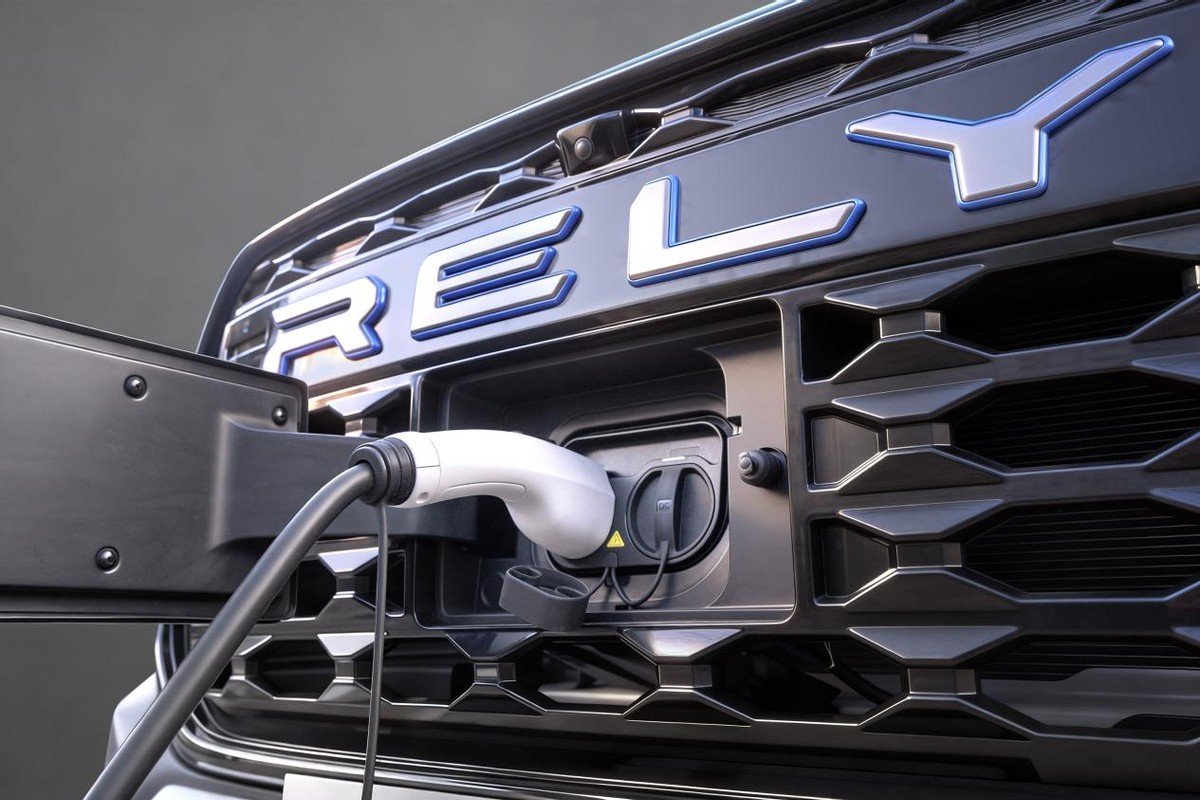
As a new energy commercial vehicle, the Veyron R08 EV also demonstrates remarkable scenario adaptability in charging and power use. Models with a 66.5 kWh battery pack come standard with 2C fast charging, requiring only about 25 minutes to go from 15% to 80% state of charge at room temperature, allowing full use of transportation intervals for rapid replenishment and effectively alleviating range anxiety. The high-power external discharge function of 15kW front + 6kW rear can directly power operating equipment such as plant protection drones, cutting machines, and air pumps, replacing traditional fuel-powered generation with clean electricity. While reducing carbon emissions, it also saves users considerable operating costs.
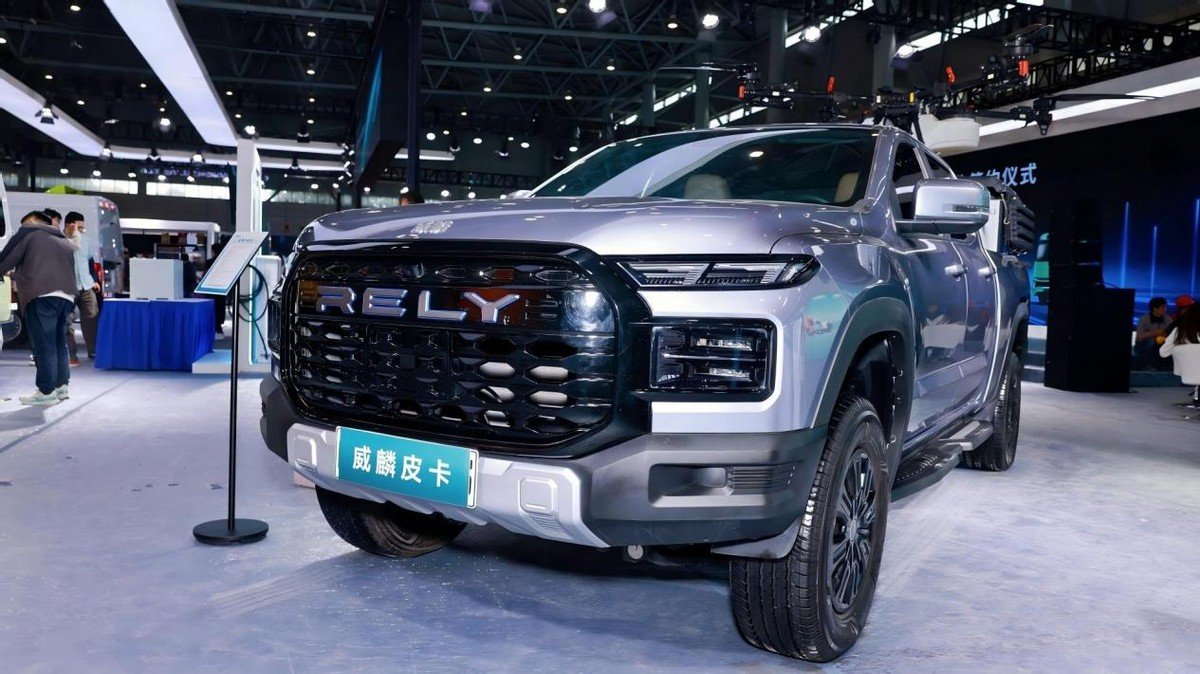
From plant protection operations to infrastructure emergency repairs, from mobile business to equipment towing, the Veyron R08 EV, with its "one vehicle, multiple functions" product positioning, is extending the scenario value of new energy pickups from a simple "transport tool" to a "mobile energy platform," providing a more feasible solution for the comprehensive implementation of green logistics and smart transportation.
Conclusion
At the 2026 Hefei New Energy Commercial Vehicle Show, the debut of the Chery RELY Veyron R08 EV was not only a concentrated display of product strength, but also a vivid footnote to the Chinese pickup market's advance toward a "new era of green intelligence." It proves with facts that new energy pickups can not only meet commercial users' underlying needs for load capacity, reliability, and efficiency, but also achieve value leaps beyond expectations in intelligence, safety, and low-carbon performance.