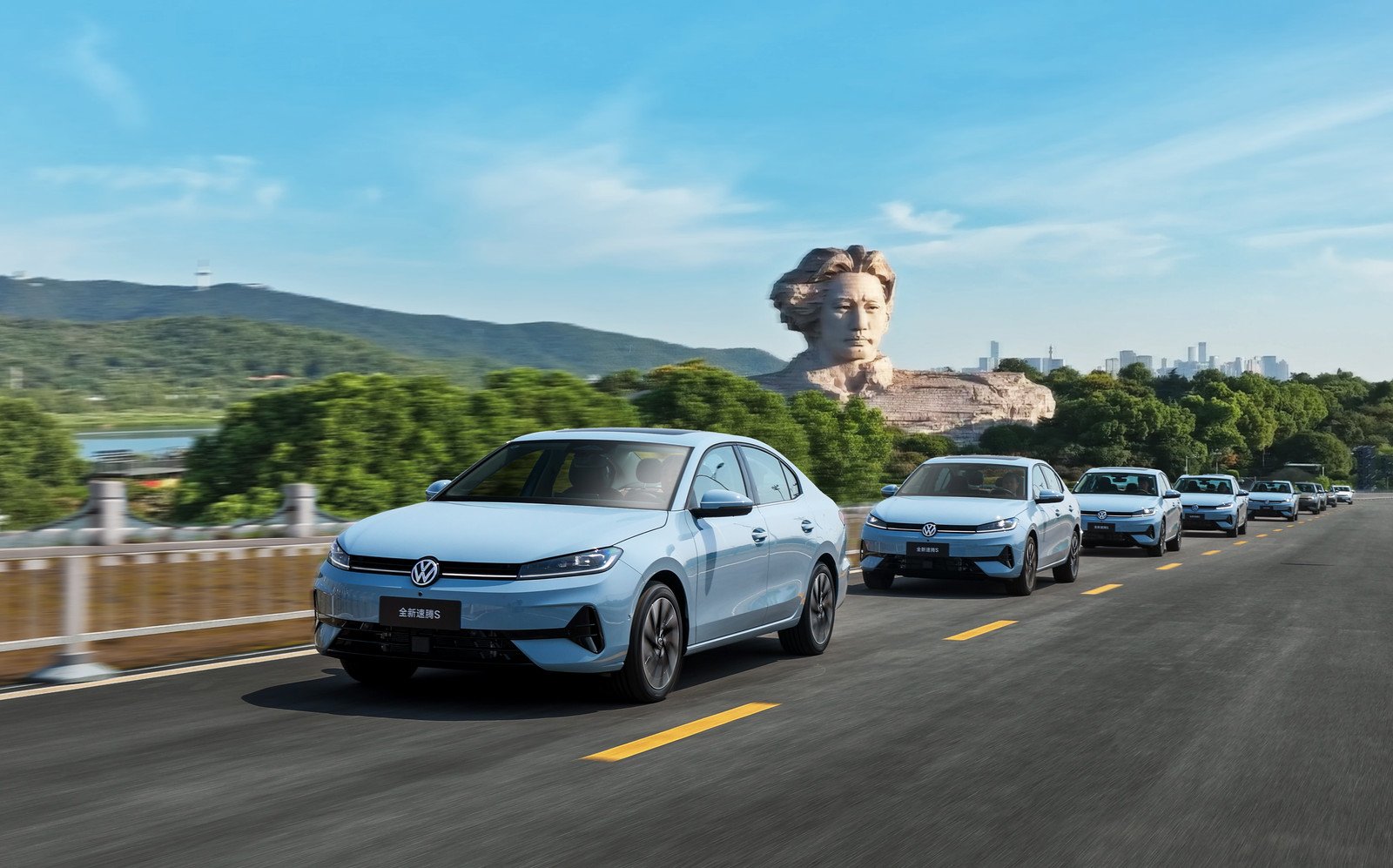
Preface: Recently, the "brake gate" incident has continued to ferment online. The cause was that the brake pedal brackets of three test vehicles broke successively, with the fracture locations and forms highly consistent. Although there is still controversy over third-party testing standards, the reason this incident ignited the entire internet is that vehicle quality control is directly related to driving safety and has touched the public's bottom line on safety.
This storm is merely the tip of the iceberg exposed by the chaos of "rushed carmaking" in the automotive industry.
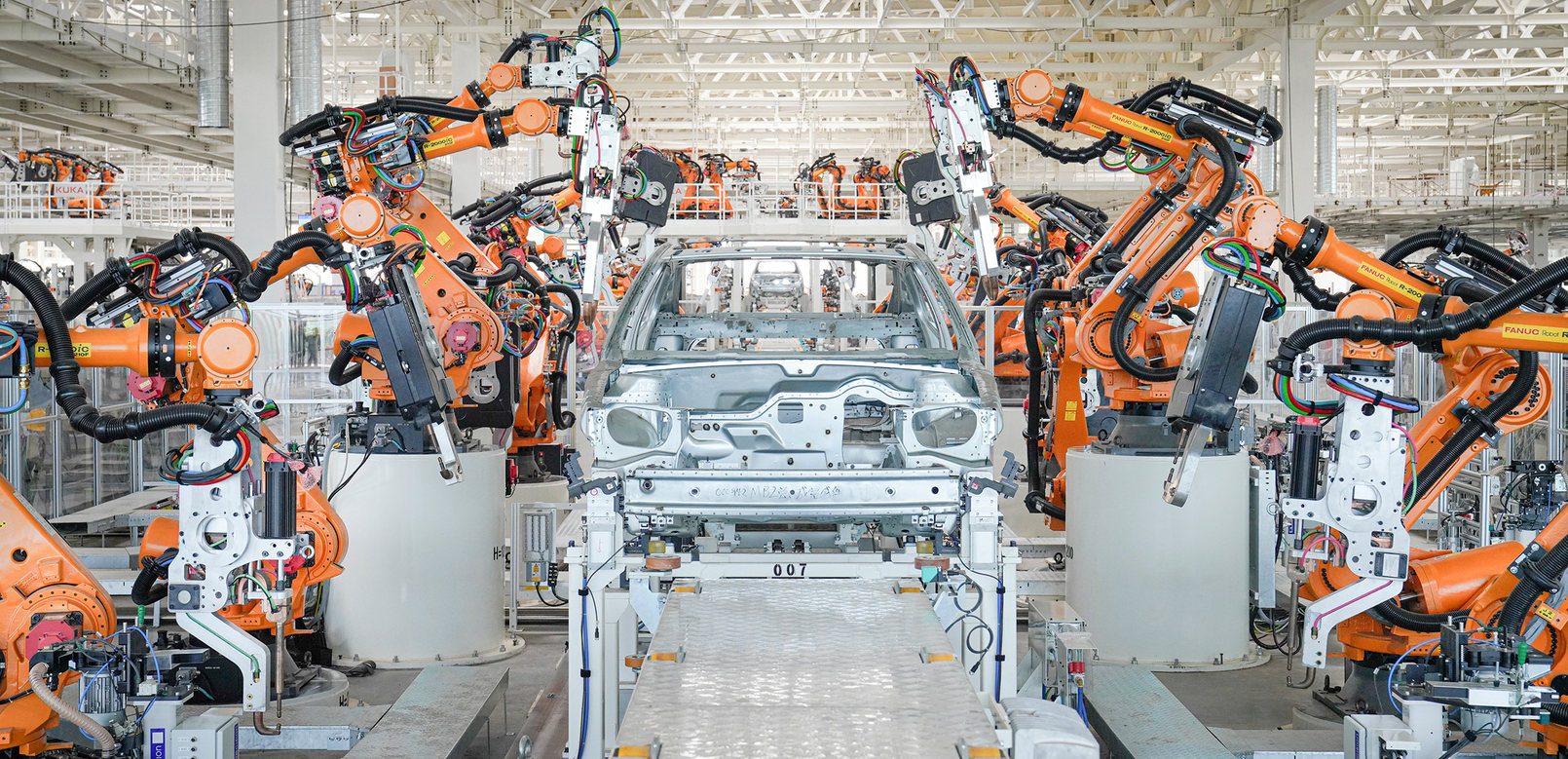
Industry chaos runs rampant as quality correction begins
This is not an isolated case. According to Car Review Society, in the first half of 2026, about 630 new models were launched in China, averaging 3.5 per day, with an iteration speed three times that of phones during the same period. Some automakers compressed the originally more than 36-month R&D validation cycle to 18 months or even shorter. Correspondingly, in the first half of the year there were 50 vehicle recall announcements, involving 1.65 million vehicles, with recalls by domestic brands surging 681.2% year on year. Black screens in infotainment systems, suspension abnormal noises, assisted driving failures... these problems that should have been exposed at test grounds are being passed on to car owners who paid for their vehicles.
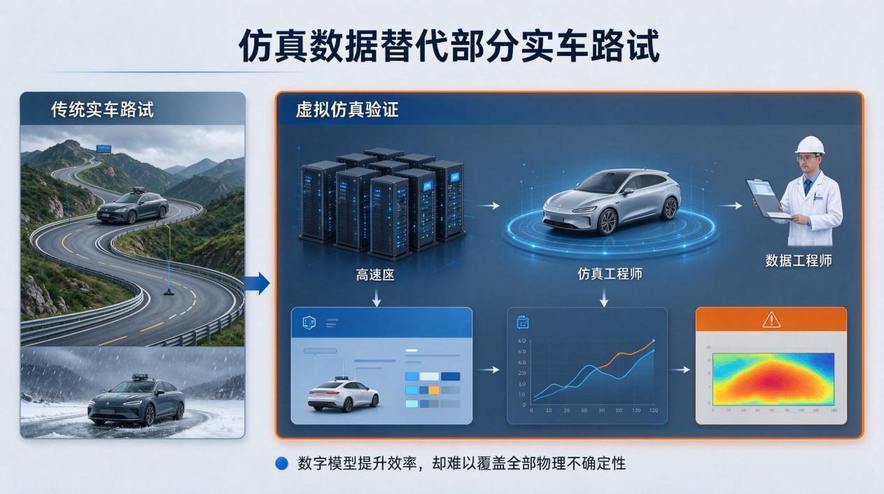
In reality, some automakers replace real-vehicle road testing with simulation data: for a door handle life test of 10,000 cycles, only 2,000 physical verifications are performed, and the remaining 8,000 are completed entirely by simulation. Virtual simulation can reproduce extreme operating conditions, but aging, wear, and random failures in the physical world cannot be covered by digital models.
As quality problems became concentratedly exposed, on October 10, four national departments jointly issued the Notice on Further Strengthening the Management of Innovative Design and R&D Test Validation of Automotive Products (Draft for Comments), explicitly prohibiting products that have not undergone sufficient testing and validation from entering the market. A People's Daily commentary pointed out: "A car's brake pedal should never 'break' while driving."
The implementation of regulation marks the official beginning of a shift in the carmaking narrative that once took "speed" as a badge of honor. But a more practical question is placed before the industry: after "speed" is halted, who can give consumers the certainty of "slowness"?
In response, FAW-Volkswagen has taken the initiative to break the deadlock by launching the automotive industry's "five insurances and one fund," using German-style rigorous quality as the foundation and backing it with tangible user rights, rejecting rushed carmaking and safeguarding consumers' travel safety.
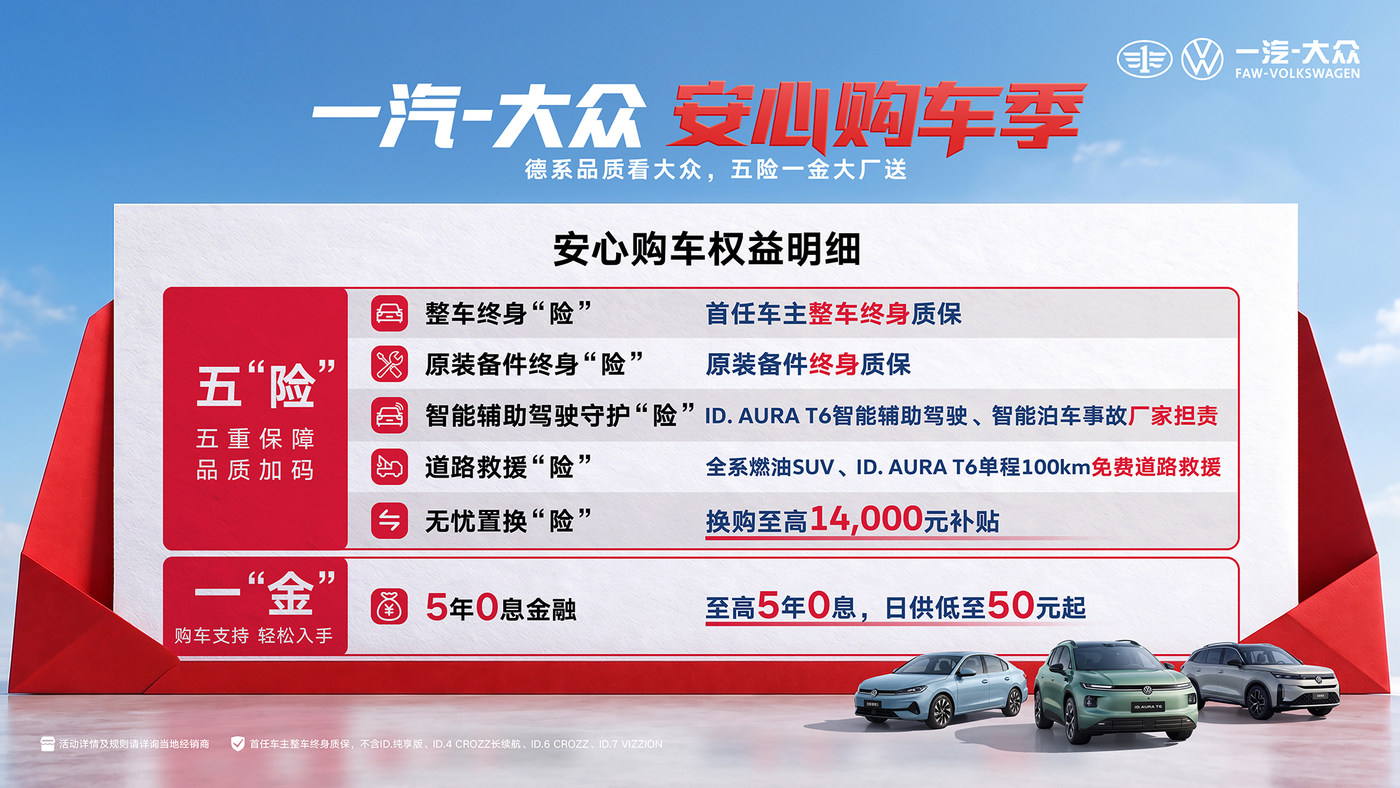
FAW-Volkswagen puts "five insurances and one fund" into the car
This is not a marketing gimmick. FAW-Volkswagen's dedicated rights system includes five major guarantees and one financial benefit, providing all-round support for users' travel: whole-vehicle lifetime insurance, achieving lifetime warranty for core components and lifetime protection for core major parts; genuine parts lifetime insurance, with genuine spare parts replaced once and subsequent quality problems covered for life; intelligent assisted driving protection insurance, specifically covering accidental risks in intelligent driving and parking and eliminating after-sales wrangling; roadside assistance insurance, with 7×24-hour nationwide response to solve vehicle rescue difficulties around the clock; worry-free replacement insurance, supported by high replacement subsidies, stabilizing the residual value of old cars and dispelling concerns about changing vehicles. Paired with exclusive genuine 0-interest financial benefits, it greatly lowers the threshold for users to buy cars and truly achieves no pressure in purchasing and no worries in use.
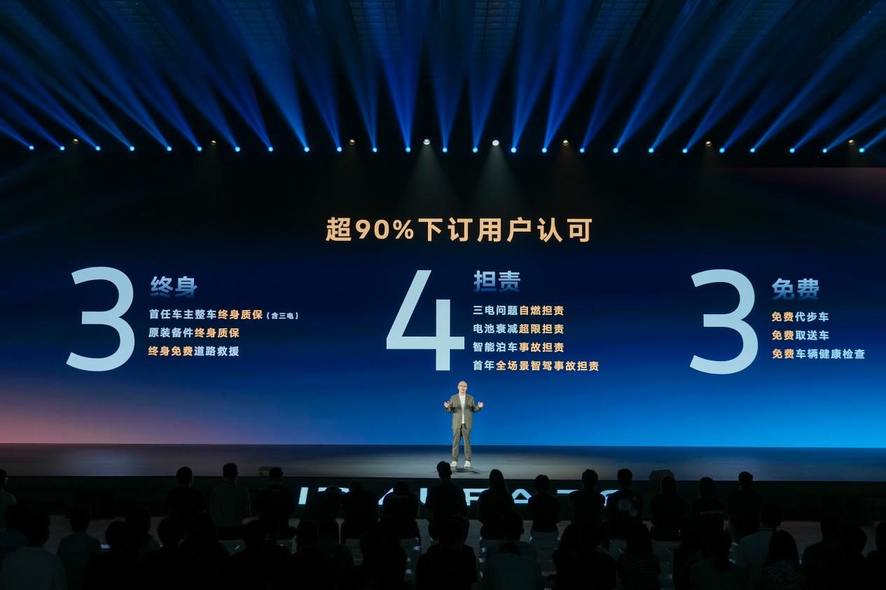
It should be pointed out that, unlike the industry's short-term, fragmented car-purchase benefits, FAW-Volkswagen's "five insurances and one fund" focuses on users' full-lifecycle needs, incorporates every detail and difficulty of vehicle use into the scope of protection, and uses the sincerity of a major manufacturer to end the after-sales chaos brought by rushed carmaking, letting consumers buy with confidence and use with peace of mind.
The courage to provide lifetime backing comes from a rigorous German manufacturing system
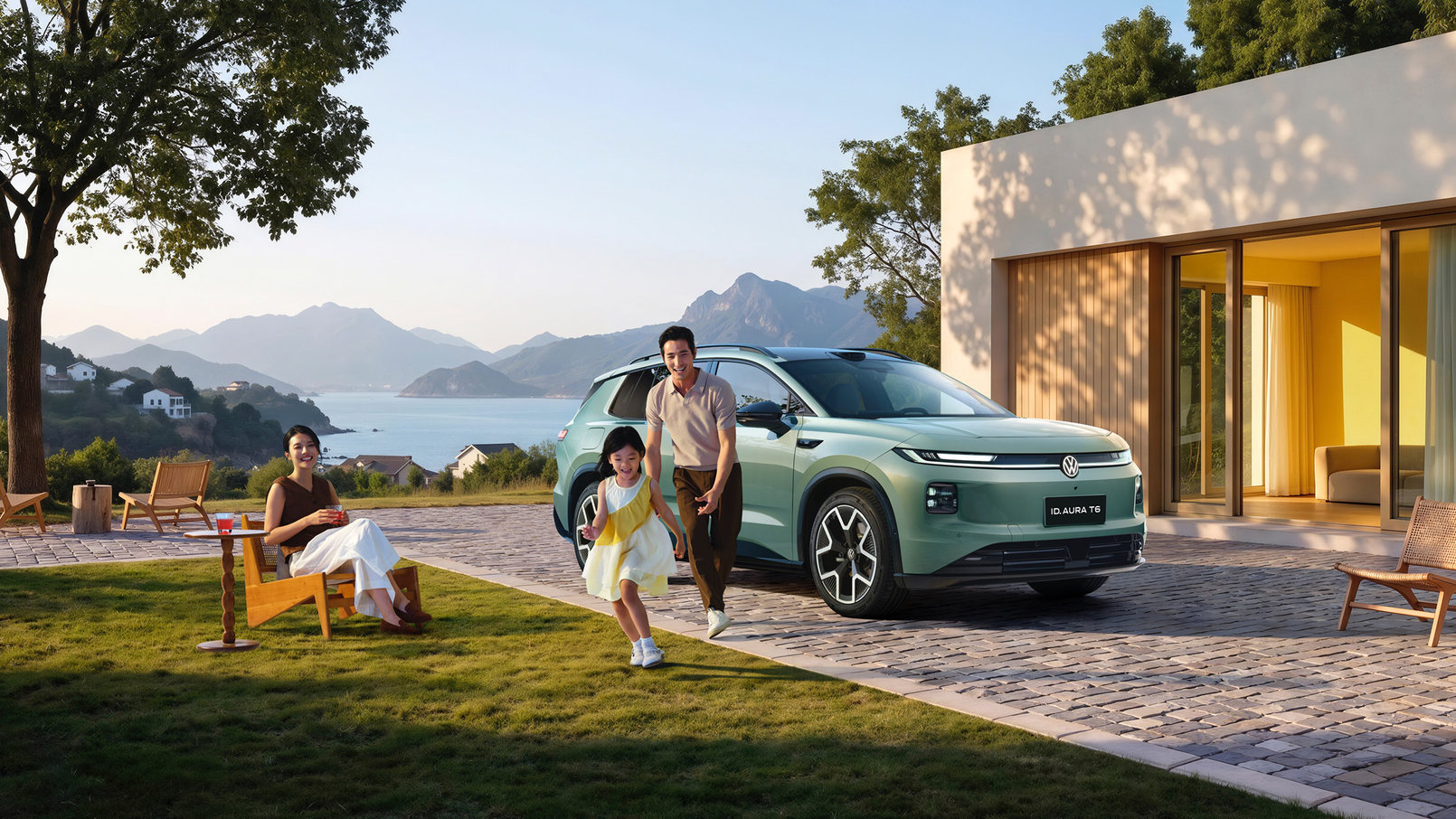
In fact, the reason FAW-Volkswagen dares to provide lifetime backing is precisely the confidence derived from decades of a rigorous German manufacturing system, which rejects rushed carmaking across the four dimensions of materials, validation, safety, and technology, polishing every model with extreme standards. ID.AURA T6 and the all-new Sagitar S are benchmark works.
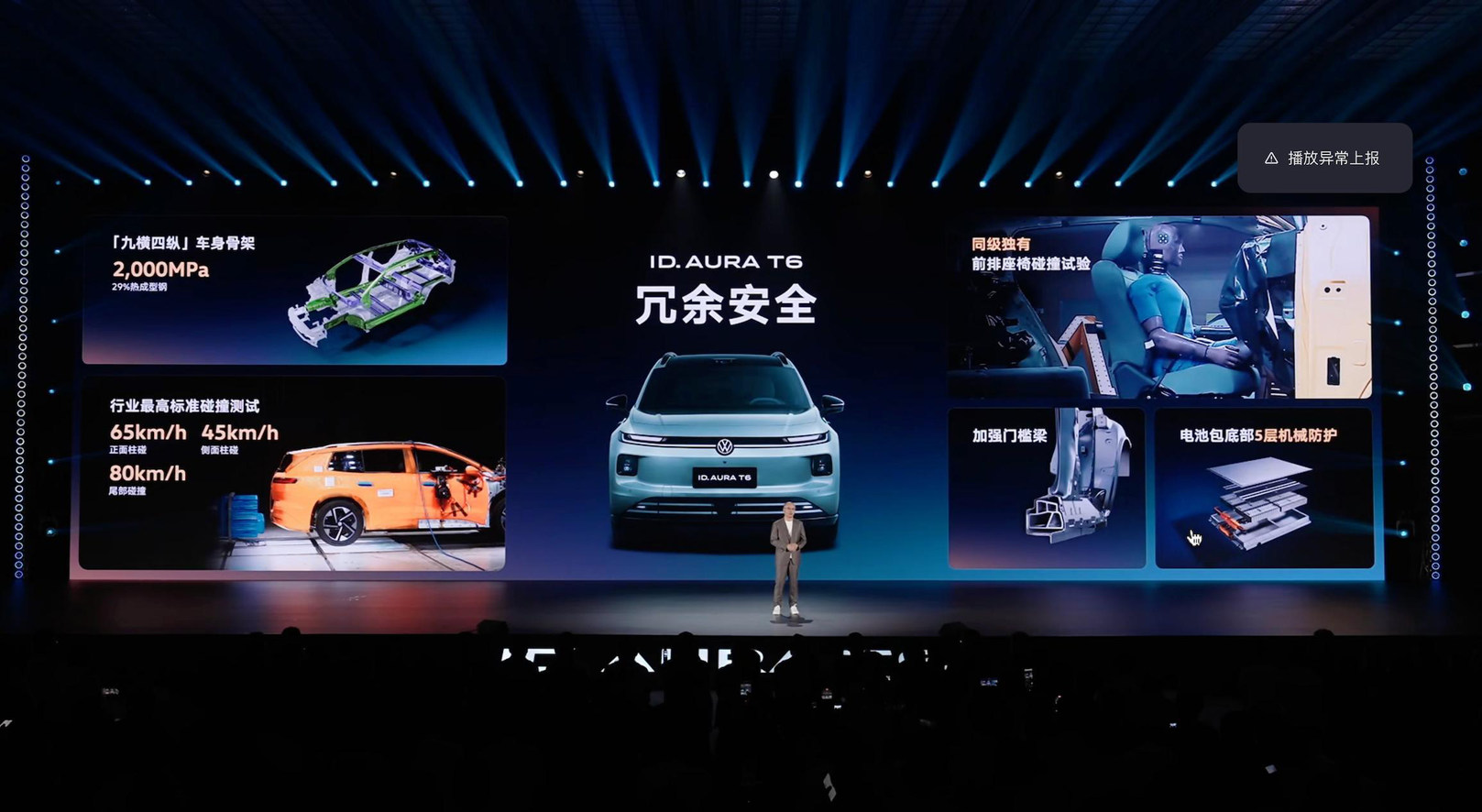
First, looking at materials: sheet metal is 10% thicker than the industry average, high-strength steel exceeds 81%, hot-formed steel accounts for 30%, and strength in key areas reaches 2 GPa; cavity wax injection provides 12-year corrosion protection; mother-and-baby-grade interior trim has toluene at 0.047 mg/m³, 21 times better than the national standard. ID.AURA T6 uses 2,000 MPa hot-formed steel to build a nine-horizontal and four-vertical framework.
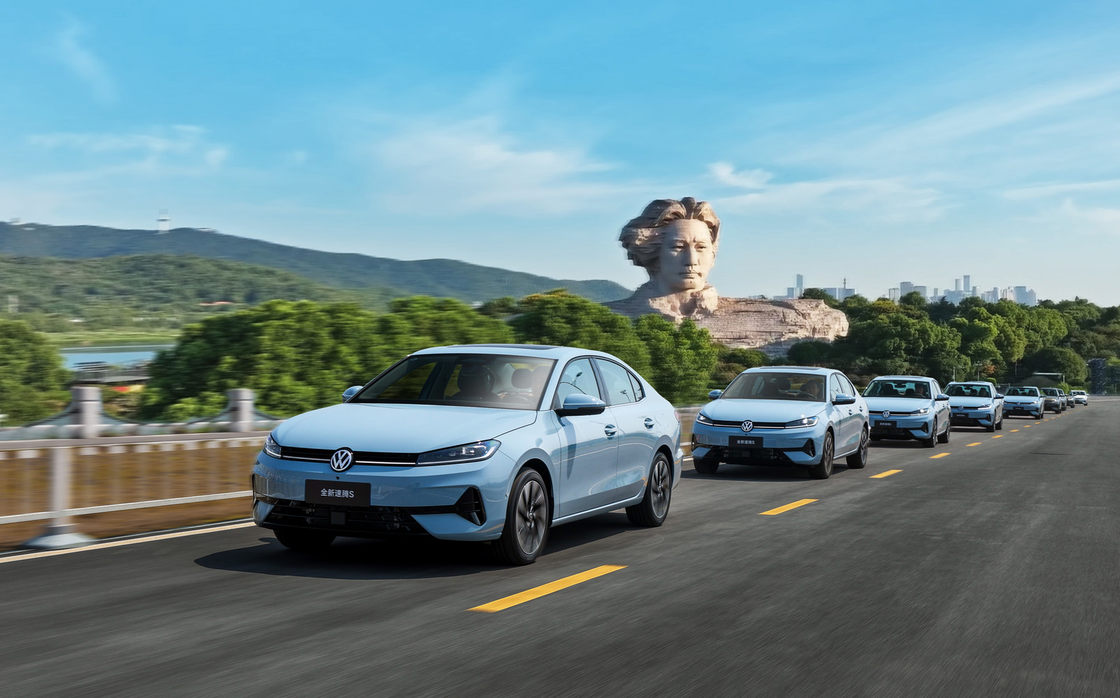
Next, looking at validation: the all-new Sagitar S underwent 3,137 unexpected-scenario tests, with durability equivalent to nearly 10 million kilometers, and its door handle withstands a 120°C temperature difference; it passed 240 hours of alternating climate testing, 540 days of exposure to the sun, 1,600 minutes of spraying, and 350,000 spring compression cycles.
Safety also exceeds standards: roof pressure resistance is 1.91 times the national standard, with 56 crash test dummies in full-scenario collisions; the electric drive system has 400+ validation items, exceeding the national standard by 300+; ID.AURA T6 exceeds standards in multiple crash tests; finally, on the production line, 9,100-ton servo presses, nearly 15-meter laser welding, machine vision, scientific repair, and film thickness inspection, along with German standards and more than a thousand dedicated tools, support long-lasting quality.
In addition, looking horizontally, joint-venture brands generally implement 3-year or 100,000-kilometer warranties, while domestic brands' lifetime warranties are mostly concentrated on core components such as engines. FAW-Volkswagen, by contrast, extends the scope to dual lifetime coverage for the whole vehicle plus genuine parts, with no limit on years or mileage, which is still a first among joint-venture camps.
Quality is king; only long-term protection can endure
It can be seen that with stricter industry regulation and upgraded consumer awareness, the era of野蛮 growth driven by rushed carmaking has come to an end. Market competition will eventually shed its restlessness and return to the essence of the product and user value. Short-term heat and rapid iteration are ultimately fleeting; only solid manufacturing foundations, rigorous quality control standards, and full-cycle peace-of-mind protection can transcend industry cycles and earn consumers' long-term trust.
With German-style precision as its foundation and "five insurances and one fund" rights as support, FAW-Volkswagen uses uncompromising quality and all-covering protection to break the industry's rushed-carmaking chaos and become a benchmark for passenger vehicle quality and service. In the future, staying committed to craftsmanship in building good cars and backing users with sincerity will surely also become the mainstream direction of the automotive industry's development.


