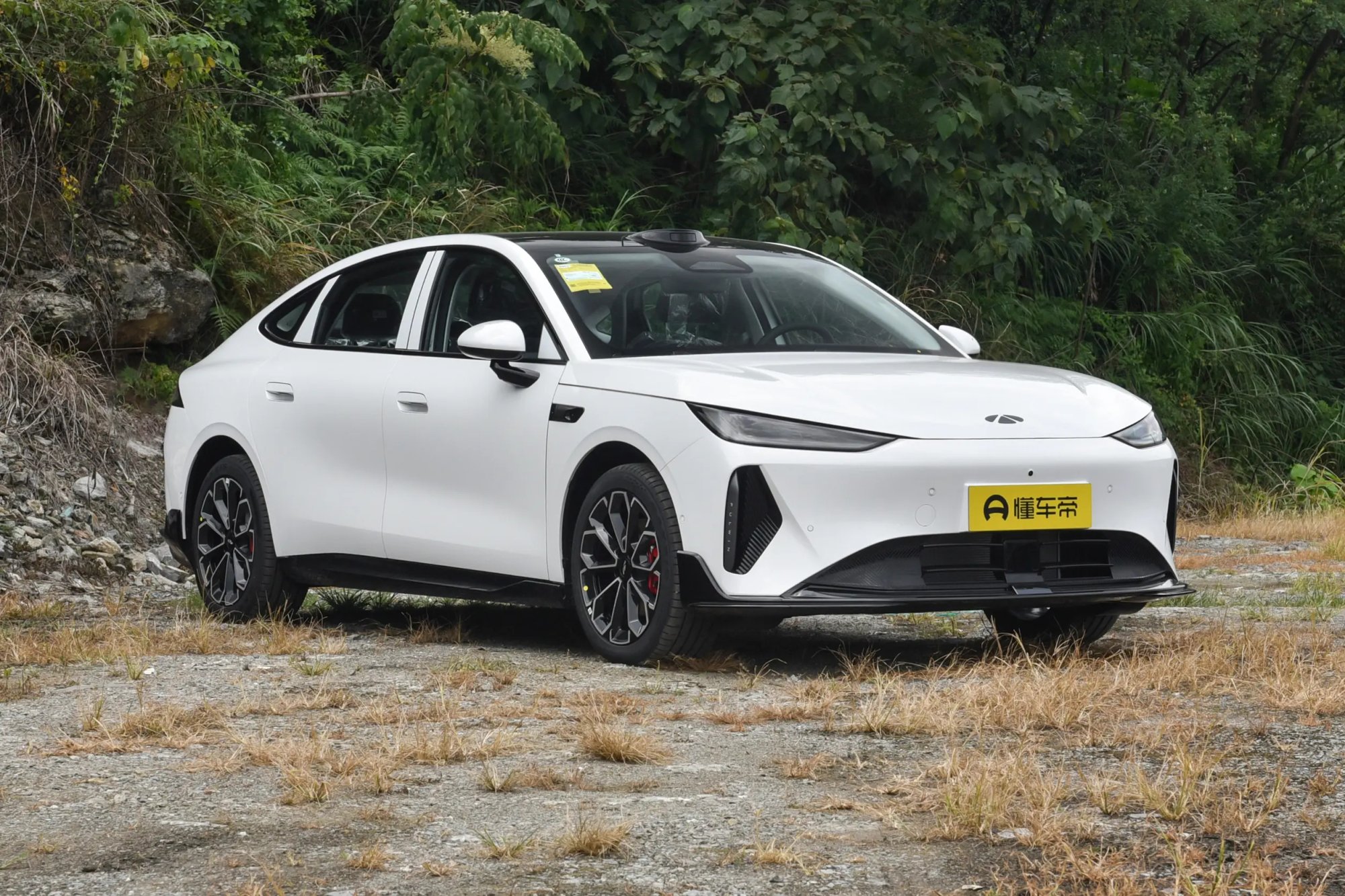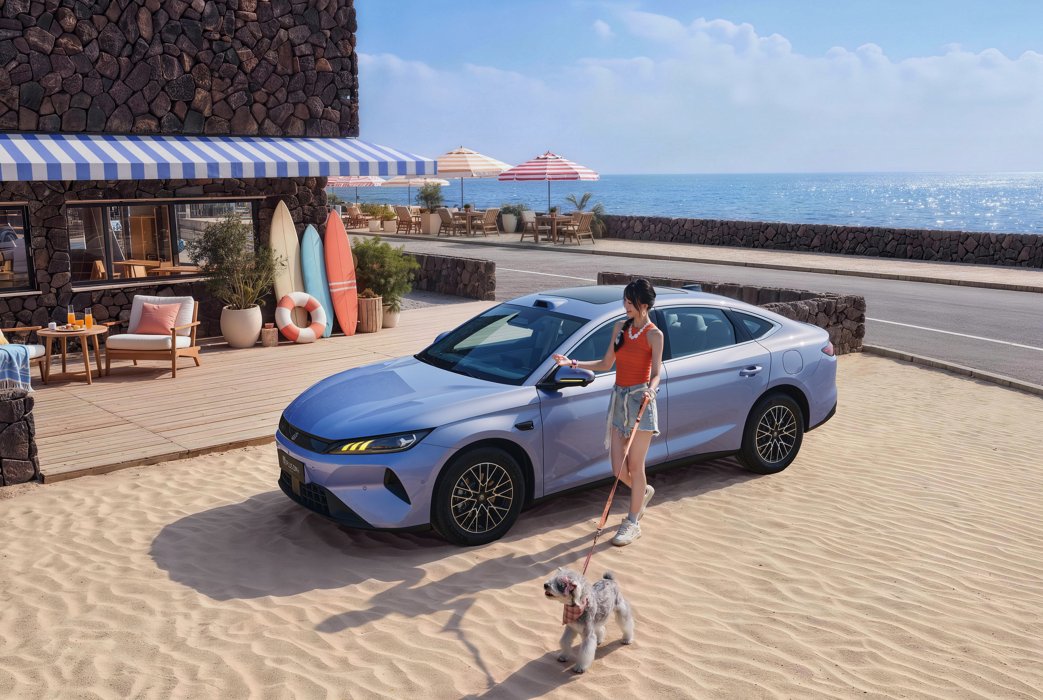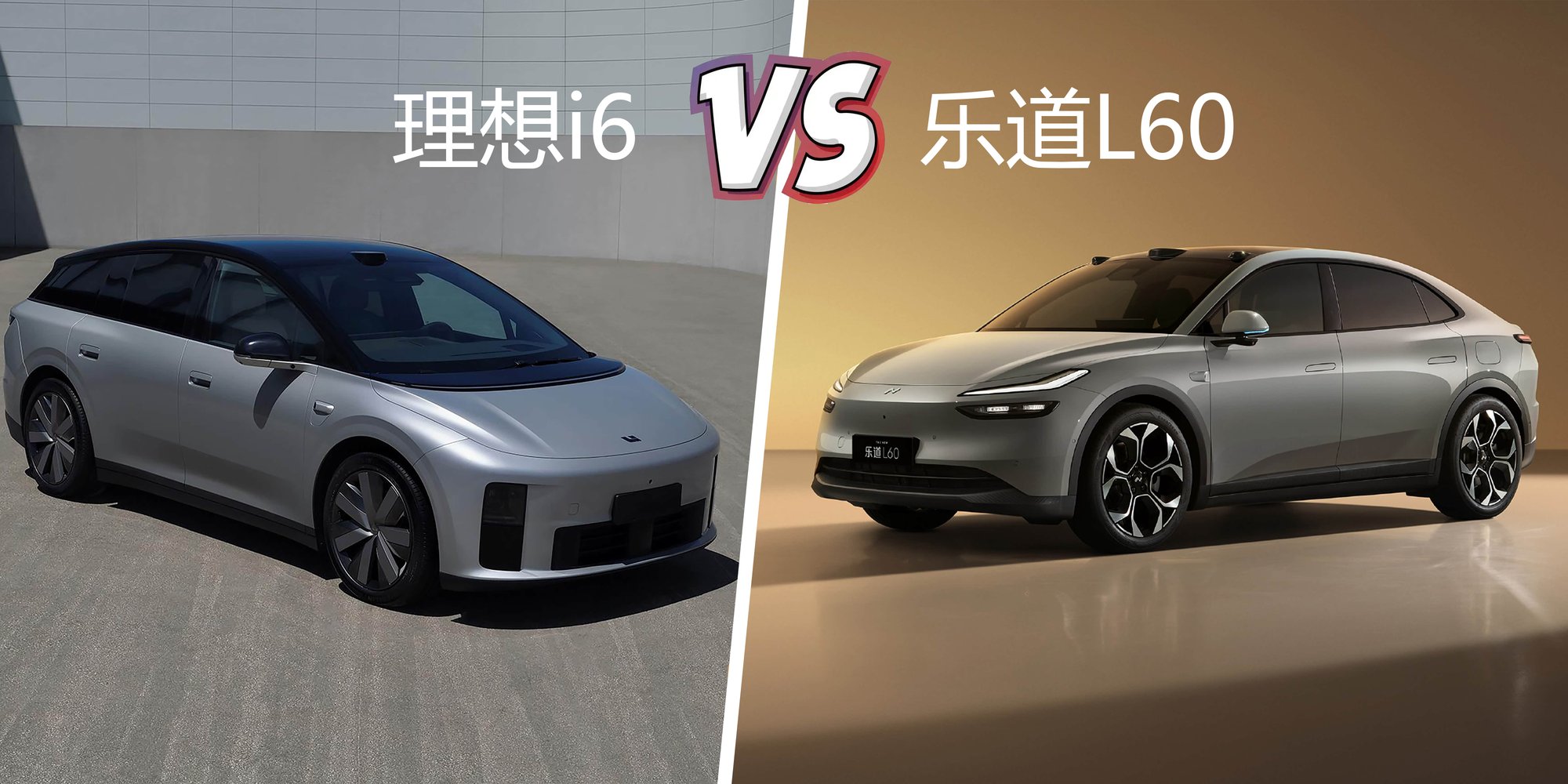
200,000 are the most fiercely competitive segment this year. The Ledao L60 and Li Auto i6—one is a mid-size SUV driving volume within the NIO system, the other is a contender from Li Auto's pure electric family aimed at five-seat households. Both cars have written "family vehicle" into their product definition. Compared side by side, what's really being compared is two different approaches to carmaking.
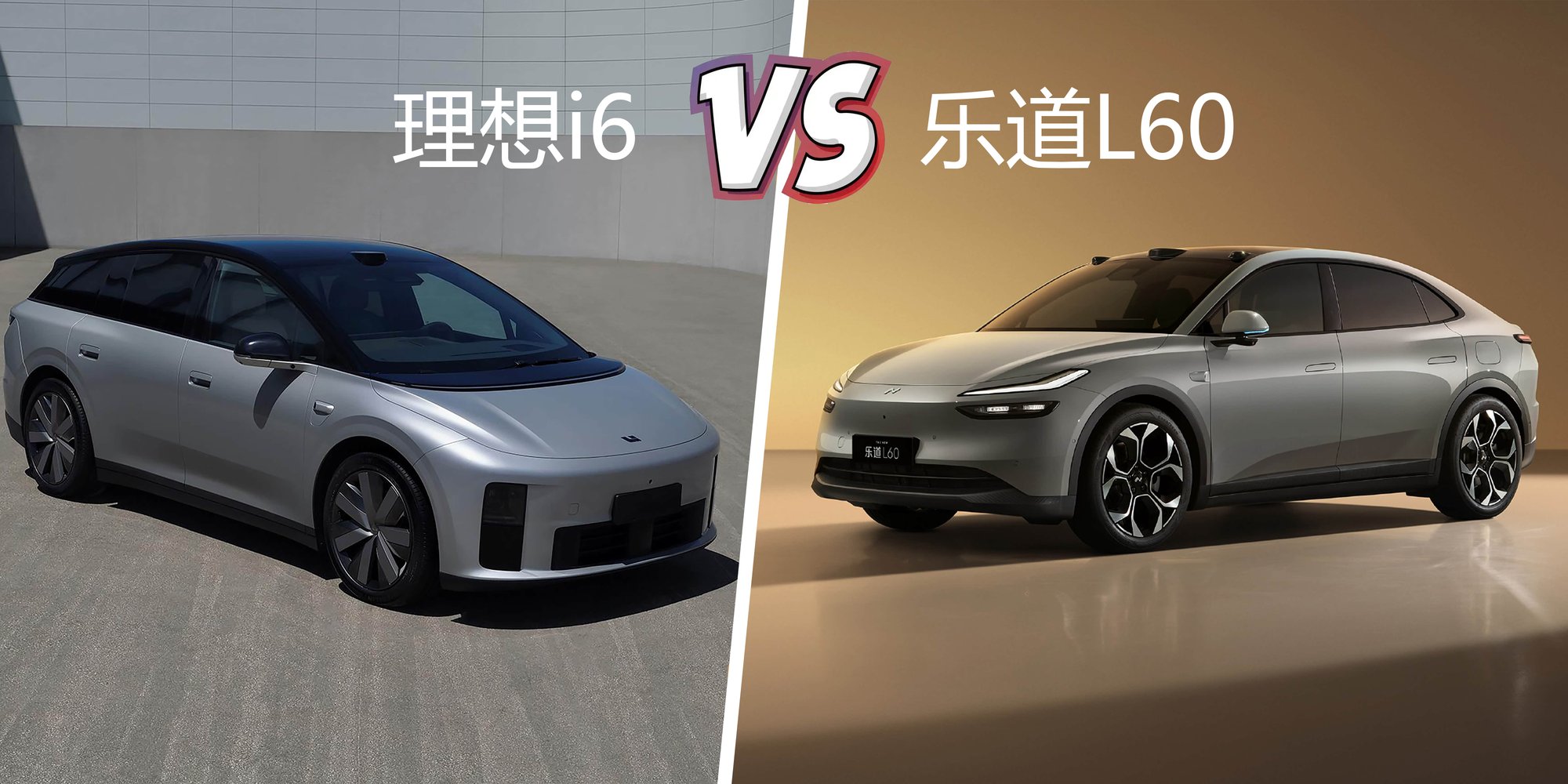
Let's first do the purchase math
Beyond its advantage in whole-vehicle pricing, the Ledao L60 has another card that resonates more with family users—the battery-as-a-service (BaaS) plan, which pushes the entry threshold down to 135,800 yuan. A mid-size pure electric SUV with driver assistance and comfort features has its price pushed down into the range of many compact models.
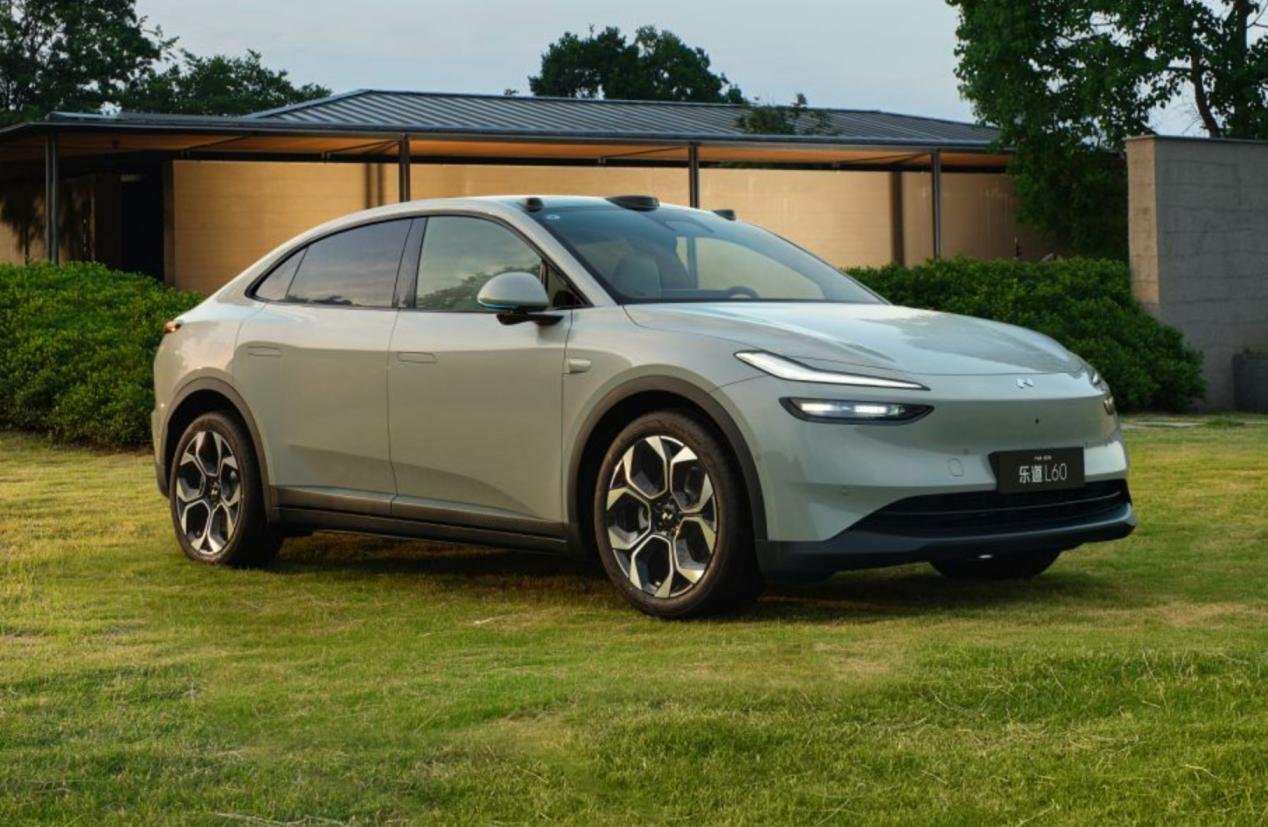
This means that with the budget originally meant for a mid-trim compact SUV, you can get a pure electric mid-size SUV with tech features fully loaded. For budget-conscious family users, this gap of over 50,000 yuan is almost equivalent to "saving" several years of charging and maintenance costs in advance.
For energy replenishment, Ledao offers a "double insurance"
The Li Auto i6 focuses on 5C ultra-fast charging, with an 800V high-voltage platform paired with a self-developed battery. Officially, it can replenish about 400–500 km in 10 minutes—the speed is indeed fast, but the premise is finding a charging pile that can run at full power. The Ledao L60 offers another, more relaxed approach: battery swapping. Relying on the NIO system, a swap is completed in 3 minutes, with a wait time almost no different from refueling, and it is not troubled by real-world issues such as reduced charging efficiency in winter or charging piles being occupied. And the Ledao L60's charging speed is no slouch either: 10%–80% fast charging takes about 25 minutes.
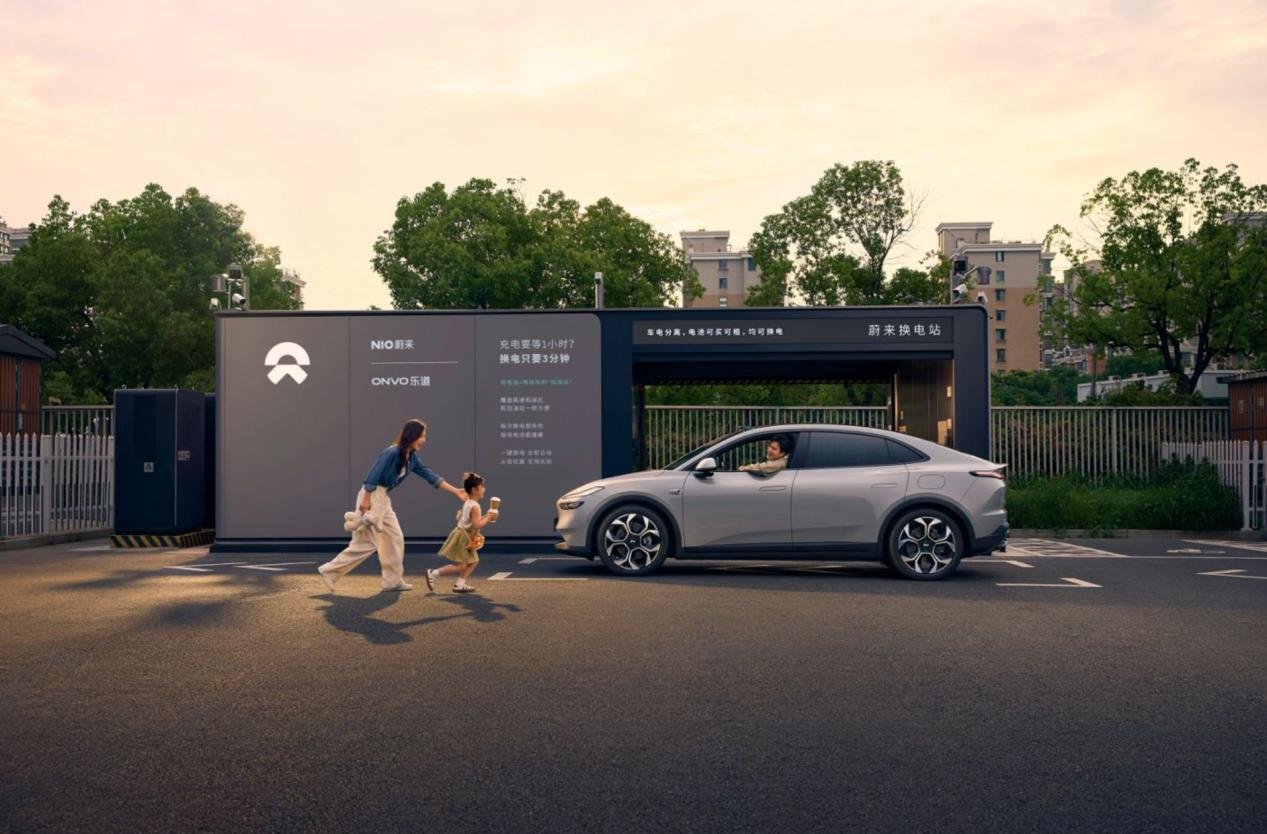
In other words, the L60 walks on two legs—"battery swapping + fast charging": daily home charging, long-distance battery swapping. One more option for users means one more measure of ease. On the matter most likely to trigger range anxiety for pure electric vehicles—energy replenishment—Ledao's approach is clearly more of a "safety net."
Range and energy consumption: Ledao lays out the "real value" for you
In terms of CLTC rated range, according to the latest information, the upcoming 2026 Li Auto i6 has a battery pack capacity of 96 kWh and a maximum range of 780 km, while the Ledao L60 has a maximum range of 740 km with an 85 kWh battery pack. In range figures, the Li Auto i6 is longer, but longer range does not mean lower energy consumption. The Ledao L60 adopts a 900V architecture and silicon carbide electric drive, plus a lightweight body design and a drag coefficient as low as 0.229, bringing the Ledao L60's comprehensive energy consumption per 100 km down to 11.9 kWh. Although the battery is 11 kWh smaller, the CLTC range is only 40 km less.
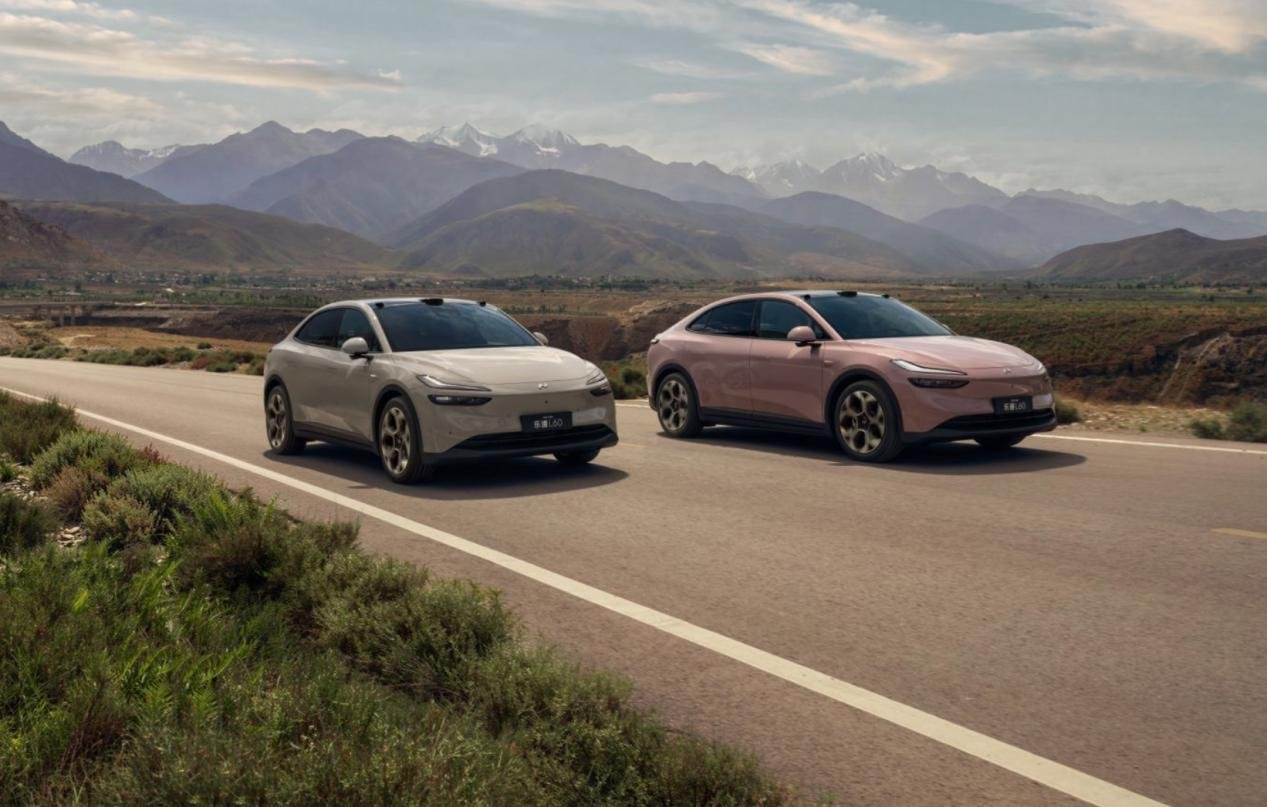
Whether a pure electric range is impressive depends on "how far it can run per kilowatt-hour." On the same long trip, Ledao can use a smaller battery and less electricity to achieve a similar range. For families commuting daily and taking weekend outings, this is not just a range number, but real savings in money.
Intelligence: Ledao is "NIO technology handed down"
The Ledao L60's confidence in this area comes from the NIO system: the fully self-developed Shenji NX9031 chip (5nm automotive-grade), plus a complete perception array composed of lidar and 7 8-megapixel cameras. High-level functions such as urban navigation and parking-swap battery swapping are fairly fully covered, and the driver assistance capability shares the same origin as NIO, with maturity as a foundation.
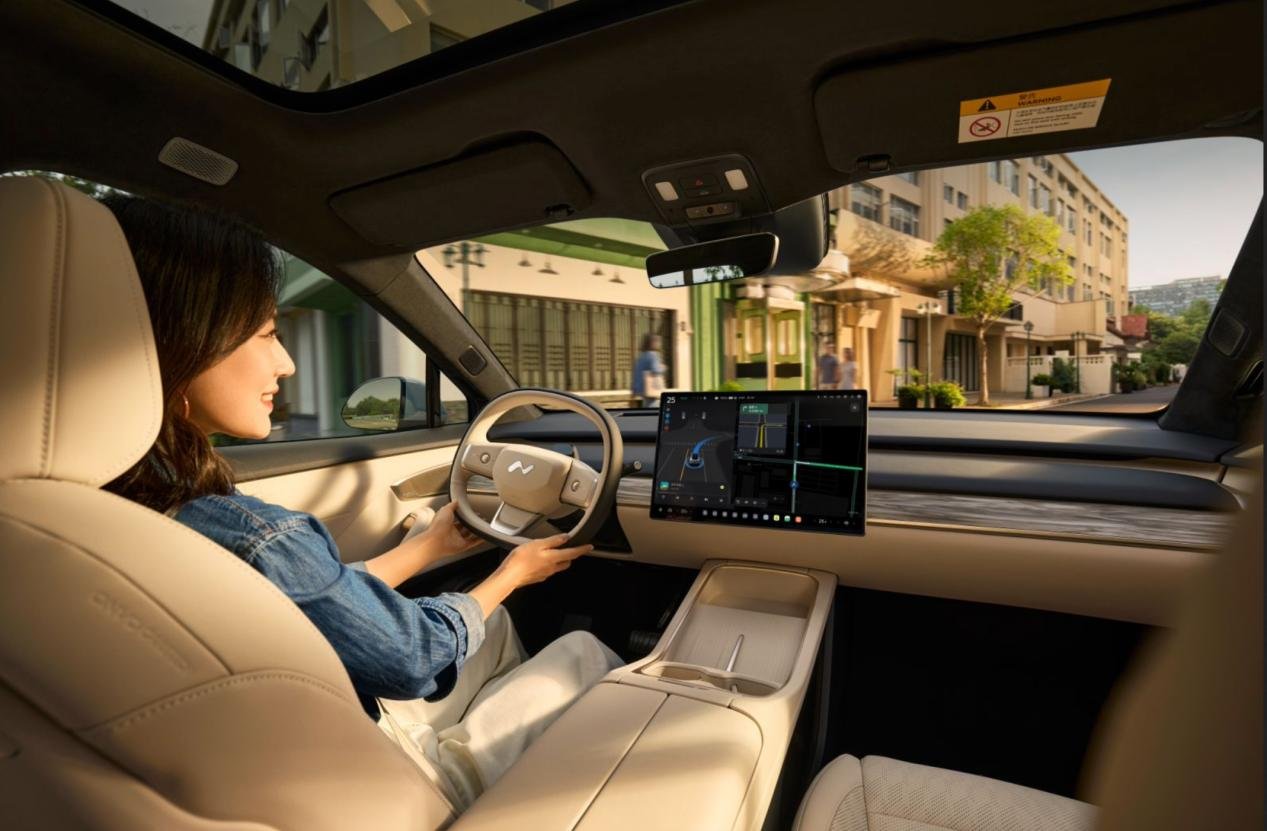
The Li Auto i6, meanwhile, is equipped with the new-generation Mahe VLA driver assistance and the Snapdragon 8797 cockpit chip, and its cockpit experience and infotainment smoothness have consistently enjoyed a good reputation. Both cars are above standard in intelligence. The difference is that Ledao places heavy resources on self-developed chips and driver assistance hardware, and also shares NIO's entire service system; Li Auto, on the other hand, emphasizes the "family feel" of the cockpit.
Space and comfort: Li Auto is the benchmark, and Ledao is no slouch either
In terms of absolute space, the Li Auto i6 is larger—a mid-to-large five-seat vehicle with a 3,000 mm wheelbase, more generous rear seating and trunk, and the "mobile home" concept is indeed deeply rooted in people's minds. But within its "mid-size Coupe" body, the Ledao L60 makes excellent use of space: 967 mm front-to-rear seat spacing and 160 mm rear knee room, so three adults in the rear are still comfortable; with a full load, the trunk can still fit 8 20-inch and 1 24-inch suitcases—five people and nine cases with no pressure—plus a 139L underfloor space, so camping gear and strollers all have a place.

To sum it up in one sentence
The Li Auto i6 remains a top student in this class in terms of space and cockpit experience. But if you value purchase threshold, energy replenishment flexibility, and long-term running costs, the Ledao L60 gives more "cost-effective" answers to almost all the questions family pure electric SUV buyers care about most—a lower price, more stable battery swapping, lower energy consumption, and high-level driver assistance from the same origin. Both cars can hold a family, but the Ledao L60 lets this family spend less money and gain more ease.